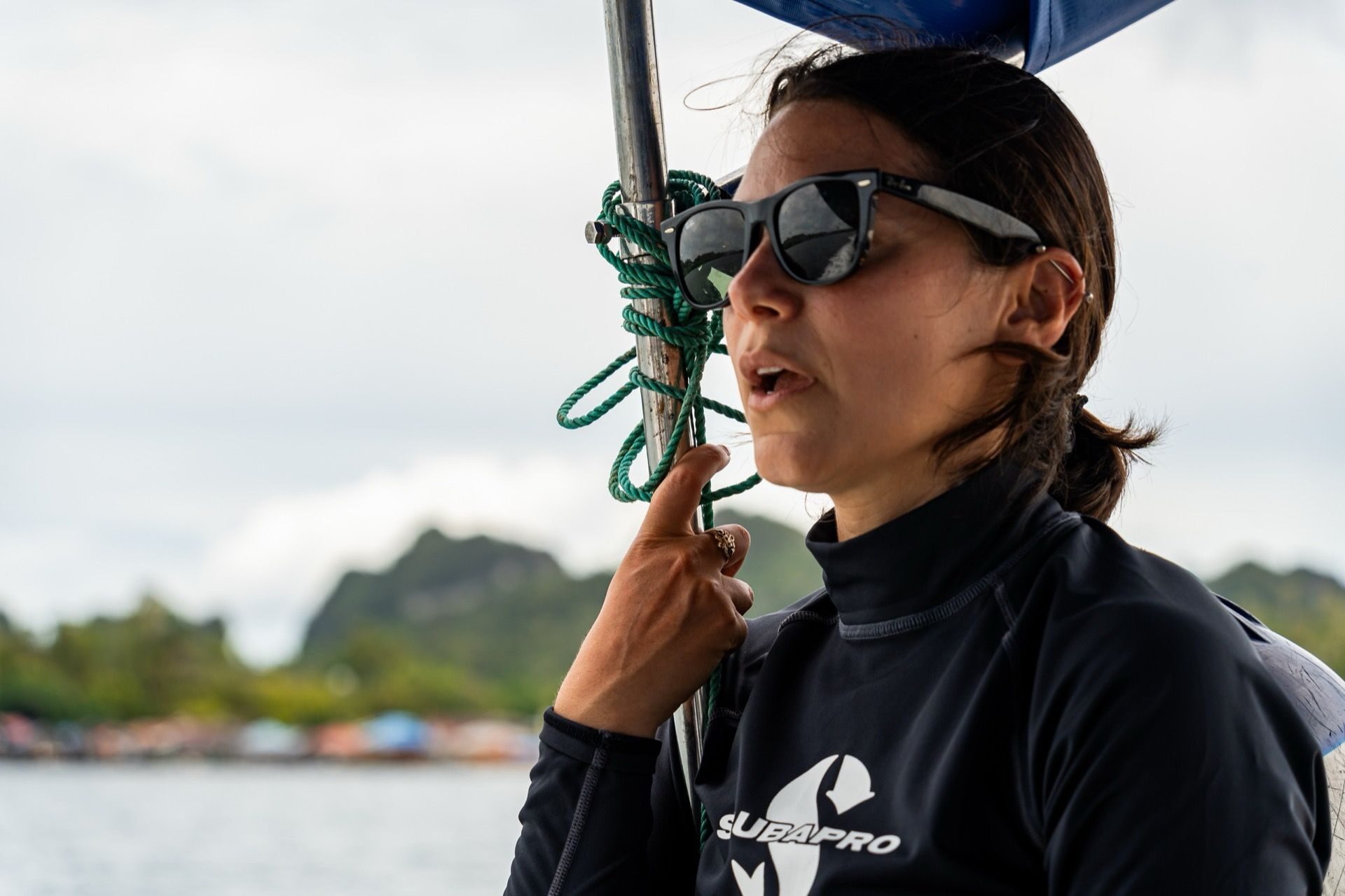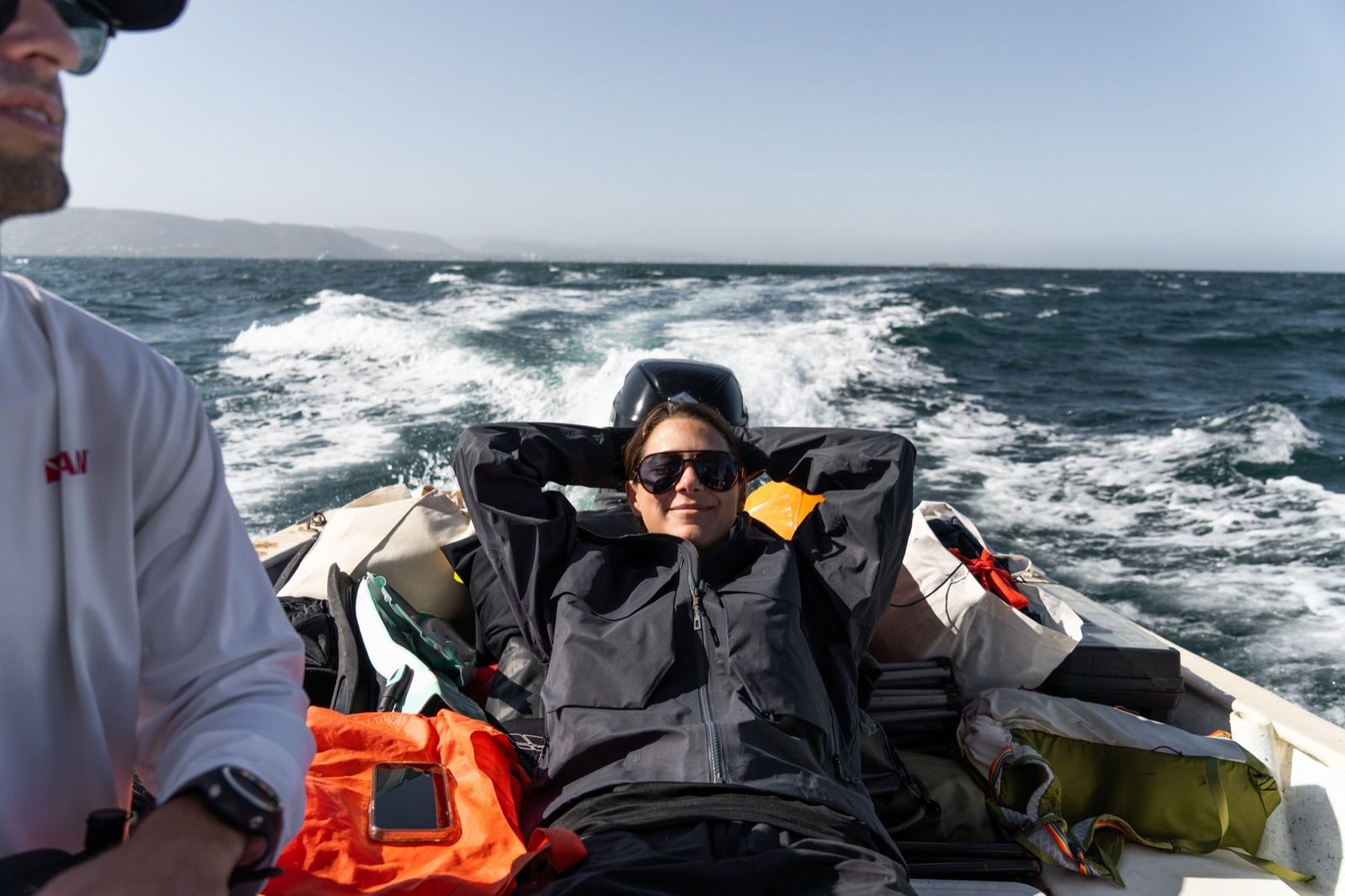
I was not a natural in the water. I learned to swim at 30, which meant every certification after that started from a place of genuine fear, not bravado. Six years later I was a professional technical diver. The fear didn't disappear along the way. I just changed what I did with it.
Fear is information, not an instruction
The biggest shift was learning to treat fear as data instead of a command. Fear telling me "this current is stronger than I planned for" is useful information I need to act on. Fear telling me "you don't belong in this sport" is noise. Learning to tell the two apart, quickly and honestly, is most of the actual skill.
Competence is the real antidote, not courage
Nobody talks you out of fear with a pep talk underwater. What actually works is training until the response is automatic. Every hour logged, every drill repeated until it's boring, is an hour that fear has less room to operate in during the moment that actually matters. Courage is what people call competence from the outside.
Pick your edge on purpose
Every certification I earned was a deliberate choice to be a beginner again, in public, at something with real consequences. That's uncomfortable by design. The trick isn't avoiding that discomfort. It's choosing when and where you take it on, instead of only encountering it when life forces your hand.
The field version isn't dramatic, it's mundane
Three years documenting climate frontlines across 50+ countries with Edges of Earth exposed me to fear in far less cinematic forms than a shark encounter: the fear of pitching a partnership that might get rejected, the fear of publishing a story that might land wrong, the fear of building a business model with no guarantee it works. Most of the fear that actually shapes a life isn't the kind that makes a good story. It's the quiet, everyday kind that's easiest to avoid confronting.
It doesn't disappear, and that's fine
I still feel fear on dives, on pitches, on decisions with real stakes. What's different now is that fear doesn't get the final vote. It gets a hearing, I check it against what I actually know to be true, and then I make the call. Not letting fear win was never about eliminating it. It was about making sure it stopped being the only voice in the room.
If there's a single practical takeaway, it's this: build competence deliberately, in the specific area you're afraid of, before you need it. Fear respects preparation far more than it respects willpower.