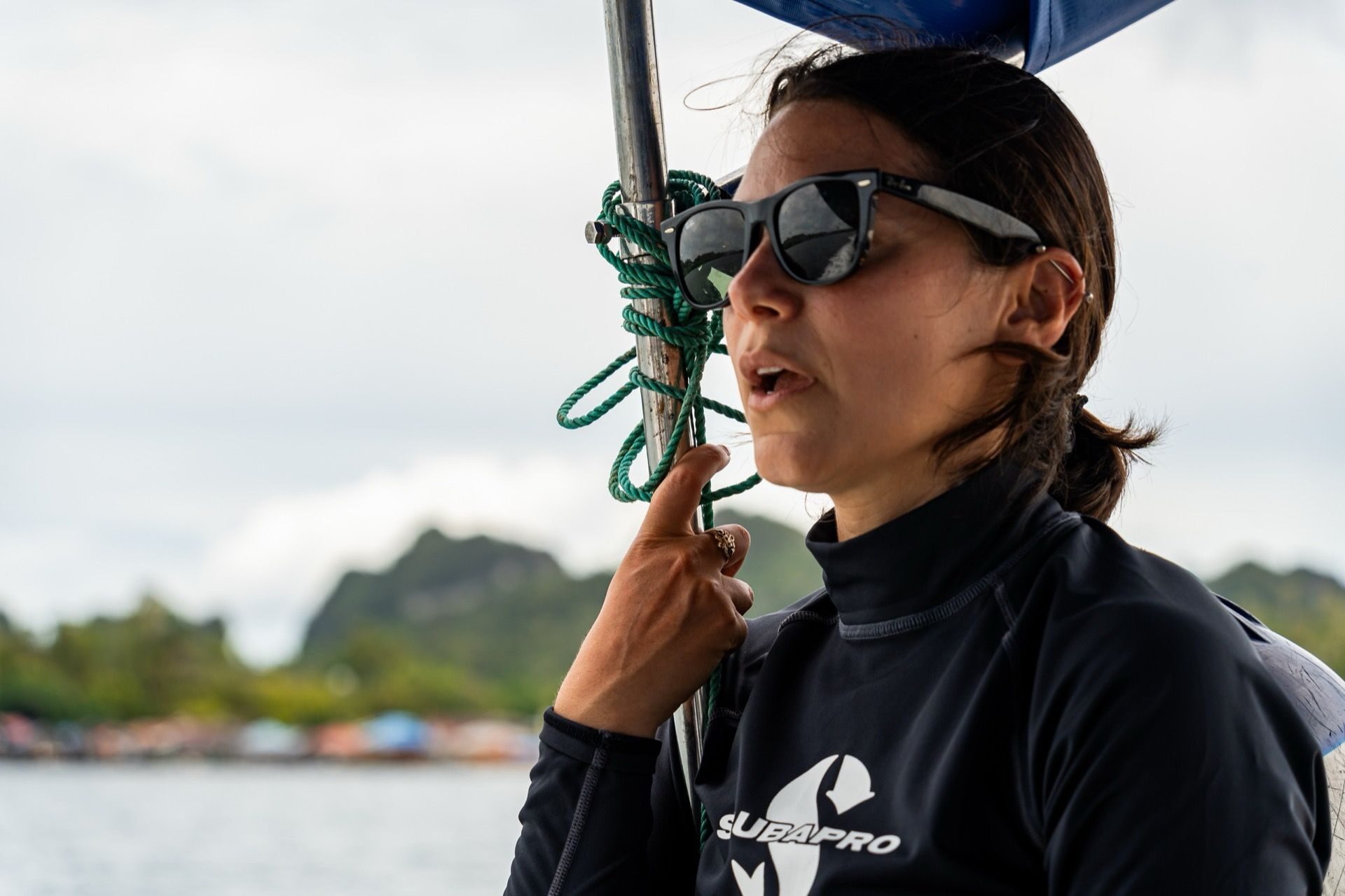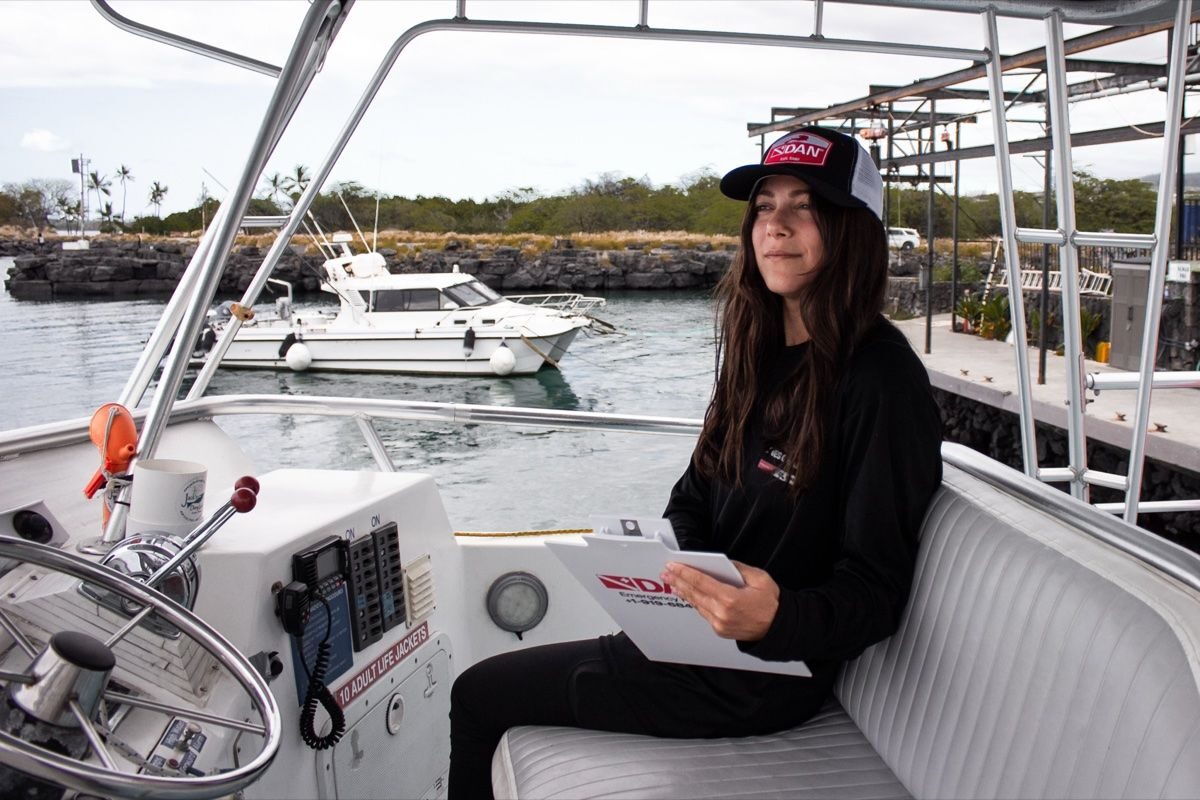
I didn't have a plan when I learned to swim at 30. I definitely didn't have a plan when, six years later, I was a professional technical diver. And I had no plan at all when that turned into three years living out of a duffel bag, documenting climate solutions across 50+ countries with Edges of Earth. What I had was a series of decisions, most of them uncomfortable, that added up to a life I actually wanted. Here's what I'd tell anyone standing where I was standing.
1. Stop waiting to feel ready
I was not a strong swimmer. I was not outdoorsy. I was fifteen years into an agency career that looked, from the outside, like it was going fine. Readiness is a myth people use to justify staying put. You get ready by starting, not before.
2. Keep the job while you build the exit
I didn't quit and disappear into the wild. I built the skills, the network, and the savings while I was still collecting a paycheck. The romantic version of this story skips the part where I was doing both for years. Don't skip it.
3. Let your skills transfer, don't throw them out
Fifteen years of brand strategy didn't become useless the day I started diving. It became the thing that let Edges of Earth build real partnerships, real media, real revenue. Your dream life almost never requires burning down what you already know. It requires pointing it somewhere new.
4. Pick discomfort on purpose
Every certification I earned, every country I landed in without knowing the language, was a deliberate choice to be bad at something in public. That's the actual skill. Not courage in the abstract — a practiced willingness to be a beginner again and again.
5. Find the others already doing it
I did not invent this path. I found the technical diving community, the expedition community, the people already living some version of this life, and I asked them everything. Nobody builds a dream life solo. They build it inside a community that already knows the terrain.
6. Design for what you can sustain, not what looks good
A duffel bag and 50 countries sounds glamorous in a caption. It is also exhausting, lonely, and hard on relationships. Build a life you can actually sustain for years, not one that photographs well for six months and burns you out by month seven.
7. Fund the mission, don't starve for it
I didn't quit my job to fund conservation work — I built a business model where the two fund each other. Purpose without a functioning revenue model is a hobby with better branding. Figure out the money early.
8. Go looking for what's working
Edges of Earth exists because we got tired of documenting only what's broken. We go looking for positive deviants: the people succeeding against the odds. Apply that same lens to your own life. Stop auditing what's wrong with your situation and start hunting for what's already working that you can build on.
9. Give more than you take, everywhere you go
This is as true in your career as it is in the field. Show up ready to contribute your actual skills to something that needs them, not to collect an experience for yourself. That posture changes how people work with you.
10. Expect it to keep changing
The life I'm living now is not the one I planned when I first put on a mask. It's better, and it's still moving. A dream life isn't a fixed destination. It's a practice of staying honest about what you actually want and being willing to rebuild when that answer changes.
None of this happened on a straight line, and none of it happened alone. But every one of these lessons is one I'd have paid good money to hear before I started. Consider this that payment, forwarded.